
Building Consistency Into Industrial Control Panel Production
22 Jul 2026
Why the Application, Installation Location, Components, and Layouts of the Design Matter
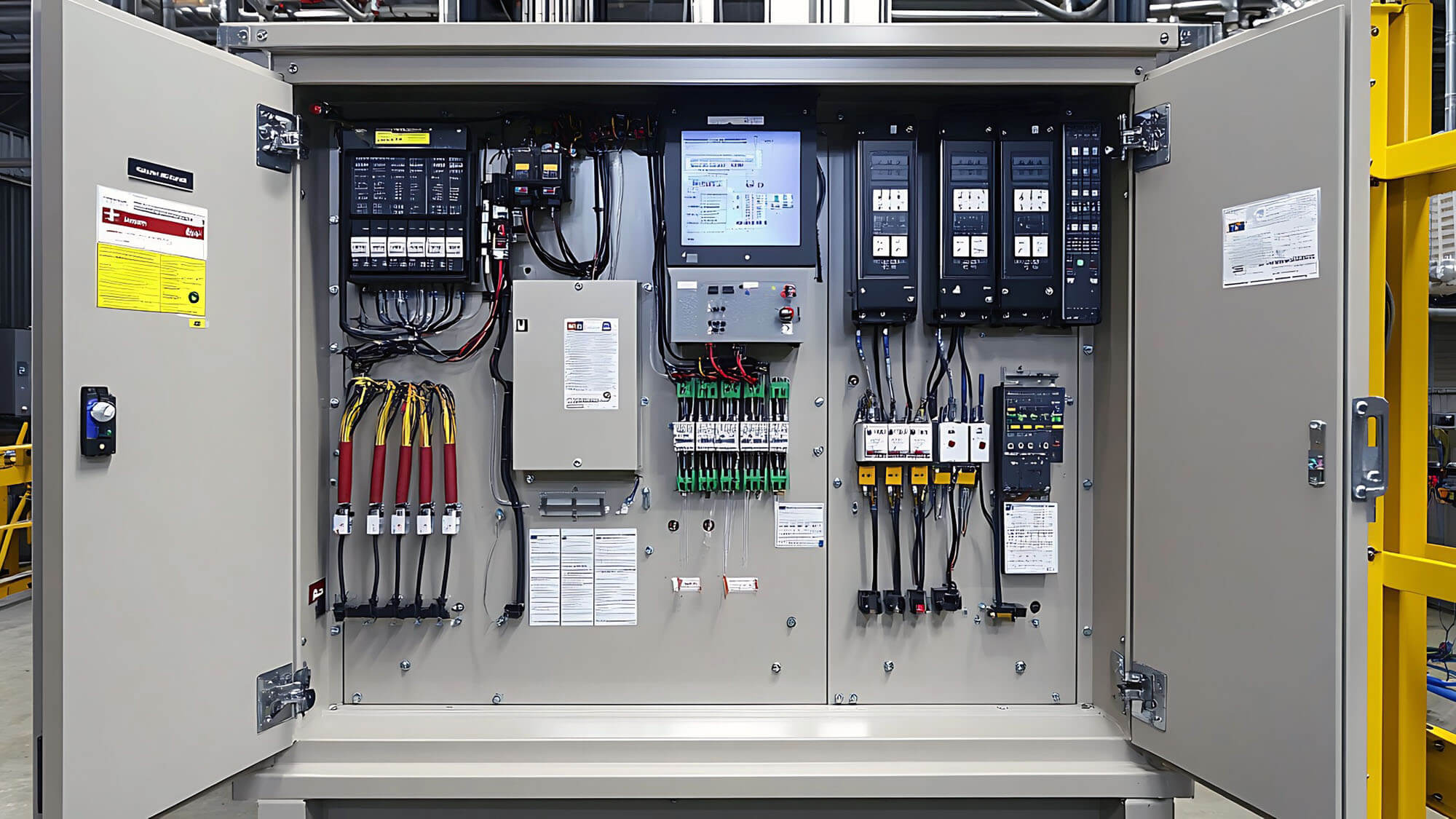
Industrial control panels are the backbone to an overall system that keeps machine, production, and processes running smoothly. The control panel is a key component utilized in general process and overall system applications. It houses many of the required electrical operation portions of the electrical or mechanical system, which may include power supplied, variable speed drives, contactors, relays, etc. With the correct focus on the panels intended function and installation location, the ability to reduce materials, improve space effectiveness, and reduce possible down time of the overall system is a critical consideration of the effectiveness of the entire system.
Function and Installation Location
Industrial control panels must be designed for their function and installation location and these are the first steps to consider when the initial project build is requested. What is the environment the control panel will be placed into (temperatures, environmental locations dry/wet/or damp)? What are the functions the panel will be used to operate (motors, circuits, machinery)? What voltages are needed (high voltage, low voltage, both)? The answer to these basic questions will outline the build design, from schematics, wire routing, spacings, enclosure type rating, and more.
Reduce Materials and Improve Space
Compact design of industrial control panels is a key aspect when focusing on the build design. This can reduce overall costs and reduce the installation footprint. The proper routing of wire, separation of circuits, and location of installed components, can influence the overall function of the panel, manufactured cost, and the certification process.
Components correctly approved and rated for the intended application for the environment location to be installed, along with the proper electrical or mechanical functions will also reduce the time spent during the certification process. Ensuring components during the design phase is crucial.
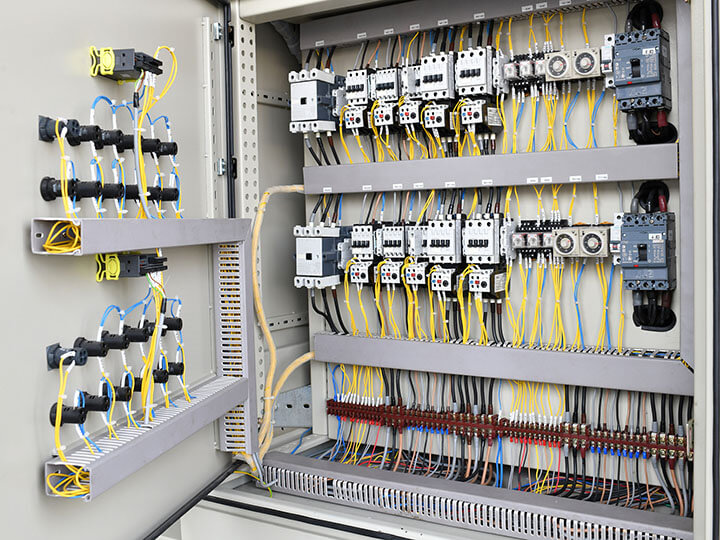
Wiring of a panel is usually one or the largest tasks during the build process. Effective wiring schematics and wire/component layouts can dramatically reduce this overall cost and improve the needed space for the panel size and installation footprint. The proper routing and layout of components will also maintain the required spacing between different electrical potential circuits. If proper components are selected based on the environmental and electrical ratings of the panel, the likelihood of modification is significantly reduced.
Downtime
The reliability of an industrial control panel is possibly the most important concern for most consumers. The selection of approved and rated components for the application is key. When components are not rated for the proper electrical or environmental locations, faults are likely to occur. The downtime that is associated with a control panel failure can cost the consumer a large amount revenue and also requires the panel manufacture to “fix” the issue. This is an additional expense that the panel manufacture my incur, which could have been easily accomplished and remedied in the design phase. Taking the proper steps during the design phase of any industrial control panel build is essential to the reliability of the unit.
Final Thoughts
When designing an industrial control panel, the application, installation location, components, and layouts of the design are critical to the reliability of that unit and the certification of that panel. By ensuring the proper functions and that acceptable components being employed, the certification process will go as smoothly as possible.

You may be interested in...
UL 508A Panel Builder Certification for Industrial Control Panels
Intertek's ETL Panel Builder Certification Program for custom Industrial Control Panels delivers a cost-efficient approach to UL 508A / CSA C22.2 No. 286 Certification