
Testing and Certification Services for the Materials Handling Industry including battery-powered forklifts, pallet jacks, reach trucks, order pickers, and related industrial equipment.
Electrification in Materials Handling
Materials handling equipment keeps warehouses, distribution centers, manufacturing sites, and industrial facilities moving. As forklifts, pallet jacks, reach trucks, order pickers, and related platforms become more electrified and connected, the validation work gets more complex.
The battery is only part of the story. Chargers, BMS logic, controls, wiring, enclosures, structural components, and mechanical assemblies all have to perform together once the equipment is in service.
Intertek supports materials handling equipment testing at both the complete equipment and subsystem level. That distinction matters. A battery pack, charger, control module, wiring harness, enclosure, or structural component may perform well on its own, but the full platform still has to operate safely and reliably after those systems are integrated.
Whether the challenge is a new battery-powered platform, a revised charger, a supplier change, a durability concern, or market access, the goal is the same: understand what changed, what risks it creates, and what needs to be validated before the equipment goes into service.
Testing for Real Materials Handling Environments
Materials handling equipment lives a hard life. These products may run across multiple shifts, move through loading docks and warehouse aisles, charge frequently, and see repeated exposure to vibration, shock, dust, moisture, temperature variation, operator use, and changing duty cycles.
For engineering teams, validation has to go beyond ideal operating conditions. The test plan should address how the full product system responds to electrical loads, charger interaction, BMS communication, mechanical stress, environmental exposure, enclosure integrity, fault response, and compliance requirements.
The market is also asking for more from these platforms: longer battery runtime, faster charging, better uptime, stronger safety and reliability, durability under vibration and environmental exposure, and more connected controls, diagnostics, and performance monitoring.
Materials Handling Testing and Validation Considerations
| Product challenge | Testing and evaluation considerations |
| Battery-powered platform development | Battery safety testing, BMS behavior, charge/discharge performance, thermal management, protective circuit evaluation, enclosure integrity, cycle life, and system integration |
| Charger and charging system integration | Charger compatibility, communication with the BMS, charge termination, thermal rise, abnormal operation, fast-charging behavior, and fault response |
| High-use industrial duty cycles | Performance testing, reliability testing, mechanical durability, vibration exposure, shock, load-related stresses, and operational durability evaluation |
| Dust, moisture, temperature, and corrosion exposure | Environmental conditioning, ingress protection testing, humidity, corrosion, thermal cycling, temperature exposure, and enclosure sealing performance |
| Connected controls and diagnostics | EMC testing, electrical safety evaluation, control system behavior, sensor integration, diagnostic function, telematics, and performance monitoring |
| Product redesigns or supplier changes | Gap assessments, requalification planning, standards review, failure analysis, validation of affected systems, and review of integration impacts |
| Market access and compliance | Evaluation to applicable standards, certification planning, regulatory support, documentation review, and review of complete equipment versus subsystem requirements |
Intertek Services for Materials Handling Equipment
Intertek provides testing support across the full equipment platform or at the subsystem level. A manufacturer may need battery pack testing for a new electrified platform, charger evaluation for a revised charging strategy, EMC testing for connected controls, or vibration and environmental testing to assess durability in demanding industrial applications.
- Battery testing
- Charger and charging system evaluation
- EMC testing
- Electrical safety testing
- Environmental testing
- Vibration testing
- Mechanical durability testing
- Ingress protection testing
- Performance testing
- Reliability testing
- Materials testing and evaluation
- Failure analysis
- Regulatory and standards compliance support
Evaluating equipment and related subsystems early while in development can help to uncover issues before they become field failures, certification delays, or late-stage design changes.
Support for Complete Equipment and Critical Subsystems
Materials handling equipment depends on the interaction of many systems. A certified or previously evaluated component does not automatically mean the complete equipment platform is ready for market.
Integration factors such as mounting, restraint, cable routing, charger interface, BMS communication, operator access, markings, center of gravity, and interaction with drive, lift, and braking systems can all affect the final evaluation path.
Intertek supports manufacturers and suppliers across key areas of product development, including:
- Battery-powered forklifts and related equipment
- Pallet jacks, reach trucks, and order pickers
- Battery packs, chargers, and charging systems
- Electrical systems and controls
- Mechanical and structural components
- Component and subsystem suppliers
- OEM engineering and product development teams
Common Standards for Materials Handling Equipment
Several standards may apply depending on product type, power source, design, intended use, and target market. Commonly referenced standards include:
| Standard | Area of focus |
| OSHA 29 CFR 1910.178 | Powered industrial trucks |
| ANSI/ITSDF B56.1 | Safety standard for low lift and high lift trucks |
| UL 583 | Electric-battery-powered industrial trucks |
| NFPA 505 | Fire safety standard for powered industrial trucks |
Depending on the design and intended market, additional standards or requirements may also apply to battery systems, chargers, EMC, ingress protection, electrical safety, functional safety, environmental durability, hazardous locations, and transportation of lithium batteries.
A certified battery pack does not automatically qualify the complete equipment platform. Battery-level certification evaluates the pack against applicable battery requirements, but the installed system may still require review for mounting, enclosure protection, charger interaction, BMS communication, electrical protection, markings, operator access, and interaction with the equipment controls and mechanical systems.
Why Materials Handling Testing Matters
Downtime is expensive. A battery issue, charger incompatibility, electrical fault, enclosure failure, control problem, or durability concern can create field disruption, warranty exposure, or delays in market entry.
Testing gives engineering teams data they can use to make design decisions, assess risk, validate product performance, and demonstrate conformance to applicable standards. It also helps separate assumptions from evidence before the product is released into demanding industrial environments.
For manufacturers developing electrified or next-generation materials handling equipment, a strong validation plan should answer practical questions:
- Will the battery and charger work together safely and reliably?
- How does the BMS respond under normal, abnormal, and fault conditions?
- Can the equipment withstand vibration, shock, temperature, dust, and moisture exposure?
- Do the electrical systems and controls meet applicable safety and EMC expectations?
- Can the product meet customer, regulatory, and market access requirements?
- Has the complete equipment platform been evaluated, not just the individual components?
Materials Handling - Frequently Asked Questions (FAQs)
Intertek supports testing, evaluation, and certification services for forklifts, pallet jacks, reach trucks, order pickers, battery-powered platforms, chargers, charging systems, electrical controls, and related components used in warehouses, distribution centers, and industrial facilities.
Testing needs depend on the product design, use environment, and applicable standards. Common areas include battery testing, charger evaluation, EMC testing, electrical safety testing, environmental conditioning, vibration, mechanical durability, ingress protection, performance, reliability, materials evaluation, and failure analysis. For battery-powered platforms, the test plan may also need to address BMS behavior, thermal management, charge/discharge performance, fault response, and enclosure integrity.
No. Battery certification evaluates the pack against applicable battery requirements, but the complete materials handling platform may still require review. Integration factors such as mounting, restraint, cable routing, charger interface, BMS communication, operator access, markings, center of gravity, and interaction with drive, lift, and braking systems can all affect the final evaluation path.
Testing or requalification may be needed when developing a new platform, changing a battery or charger supplier, updating the BMS or controls, modifying pack architecture, entering a new market, or addressing new customer, regulatory, or procurement requirements. It is also important when a product will be used in demanding environments involving vibration, shock, temperature, dust, moisture, or high-duty-cycle operation.
Contact Intertek to discuss your materials handling testing, evaluation, and certification needs for battery-powered forklifts, pallet jacks, reach trucks, order pickers, chargers, electrical systems, and related components.
Related Links
Featured on #YoullBeAmazed
See this post on LinkedIn or learn more about our You'll Be Amazed campaign.
You may be interested in...
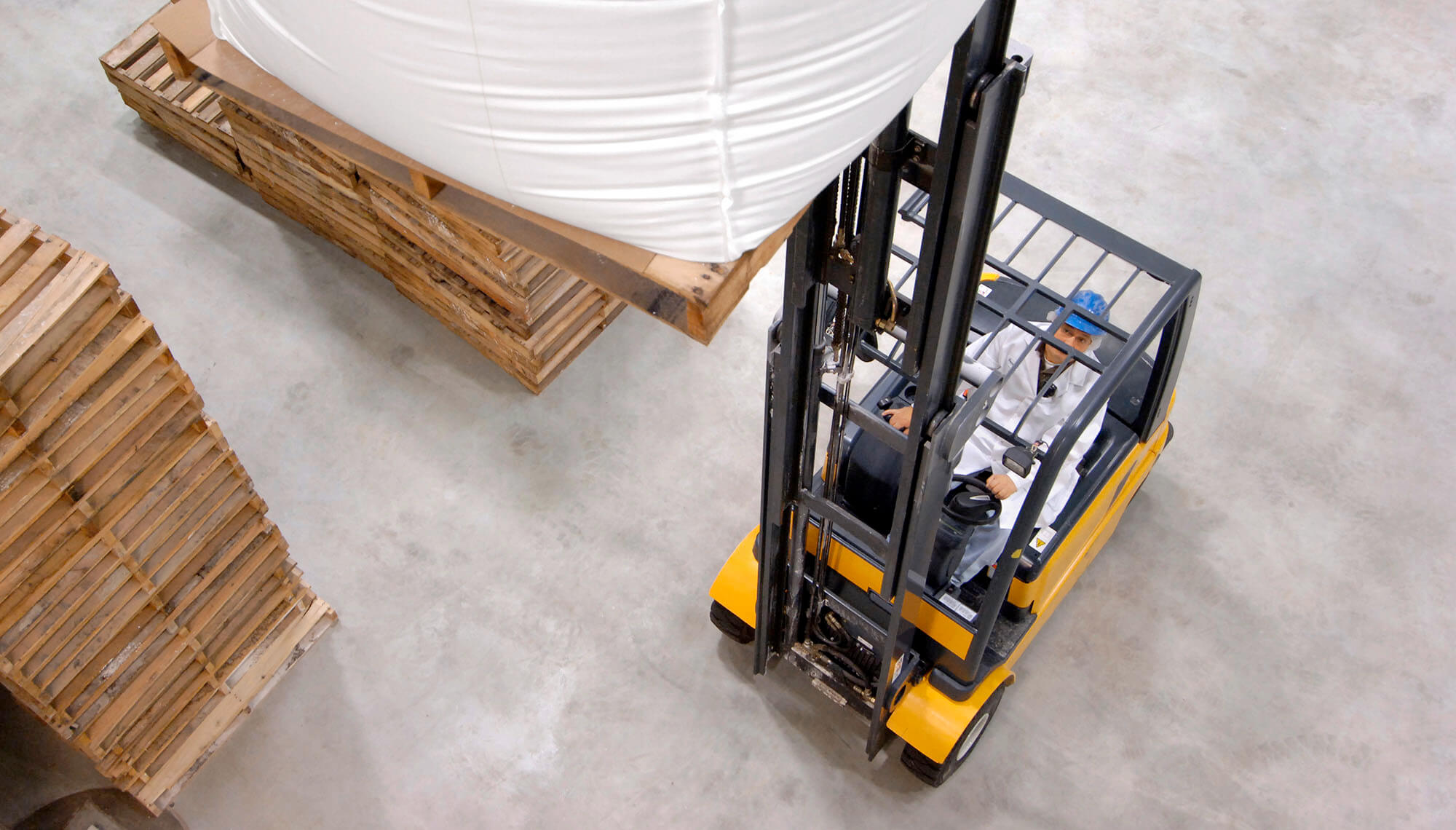
UL 583 – The Standard for Electric Battery-Powered Industrial Trucks
Ensure your electric battery-powered industrial trucks meet the highest safety standards. Partner with Intertek for expert UL 583 testing and certification services and gain the confidence to excel in today’s competitive market.
Knowledge Center
SAE USCAR-21 Testing FAQs for Automotive Engineers
Buzz, Squeak, and Rattle (BSR) Testing in Automotive Development Webinar
Master FMVSS 108 Compliance – Download the Expert Guide
Automotive Functional Safety & Cyber Security FAQs
Development of Driveline Electrification Technologies White Paper
Understanding Failure Analysis and Answering your Frequently Asked Questions
The Top-7 FAQs of Autonomous Vehicles Testing
The Top-10 FAQs of Advanced Composites Testing
The Top-10 FAQs of Automotive Interior Testing
Accelerated Stress Testing to Manage Disruptive Market Changes Webinar
Transitioning to Structural Composites to Meet CAFE Standards
Energy storage and EV charging systems: navigating global standards and certification pathways - webinar recording

Resources
ISO 17025-Accredited Laboratories
Global Research & Certification
SatelliteTM Client Test Program
Engineering and Technical Staffing
SupplyTek - gain the confidence to go to market faster
Protek - safeguard people, systems and processes, facilities, materials and surfaces, and products